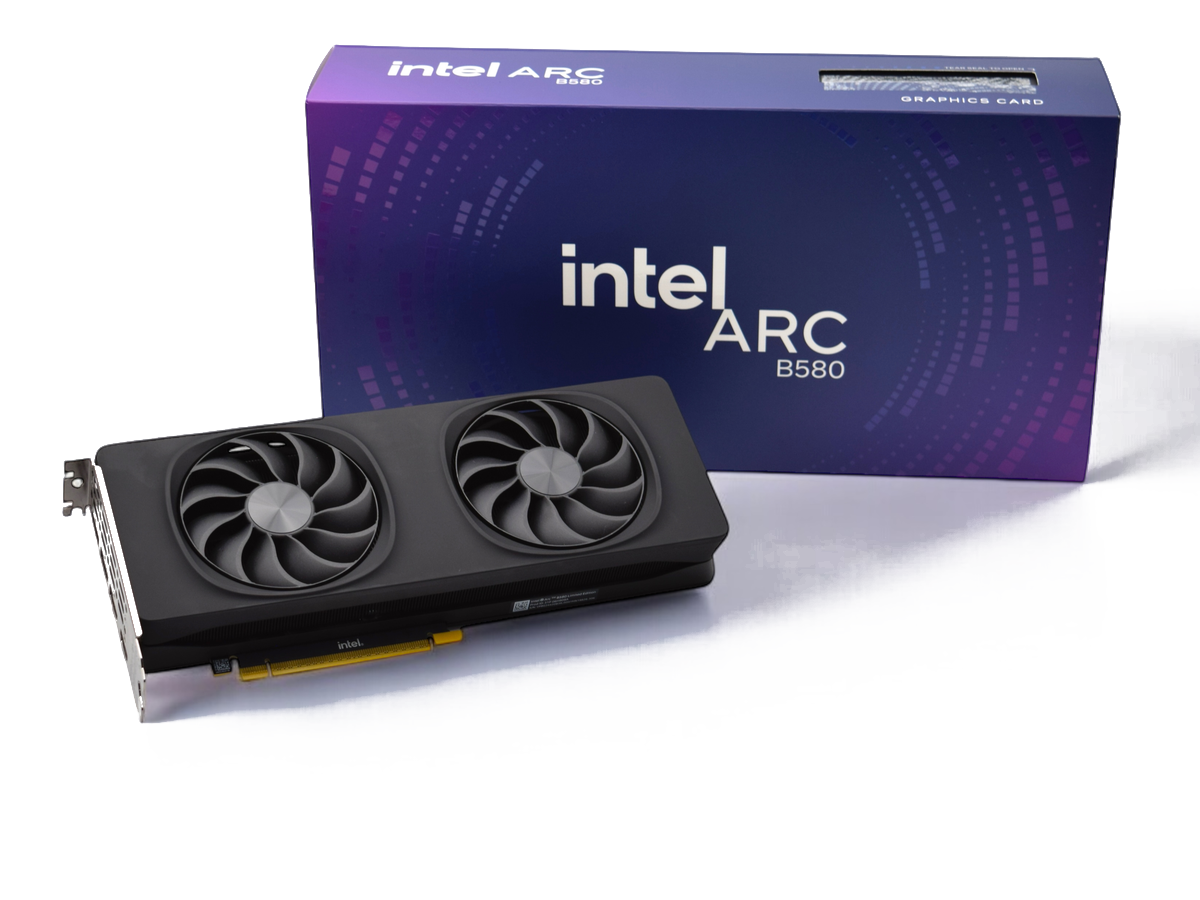
In the competitive landscape of budget GPUs, options priced under $400 primarily cater to gamers looking for satisfactory performance without breaking the bank. These graphics cards suit those not committed to cutting-edge gaming but still seeking a smooth experience at 1080p resolution and modest settings at 1440p. When evaluating this tier, look for performance metrics that align with your gaming needs, ensuring that the GPU can handle modern titles and potential future releases. Keep in mind the tradeoffs, such as performance per dollar value, power consumption, and support for newer technologies like ray tracing and AI enhancements.
Intel Arc B580
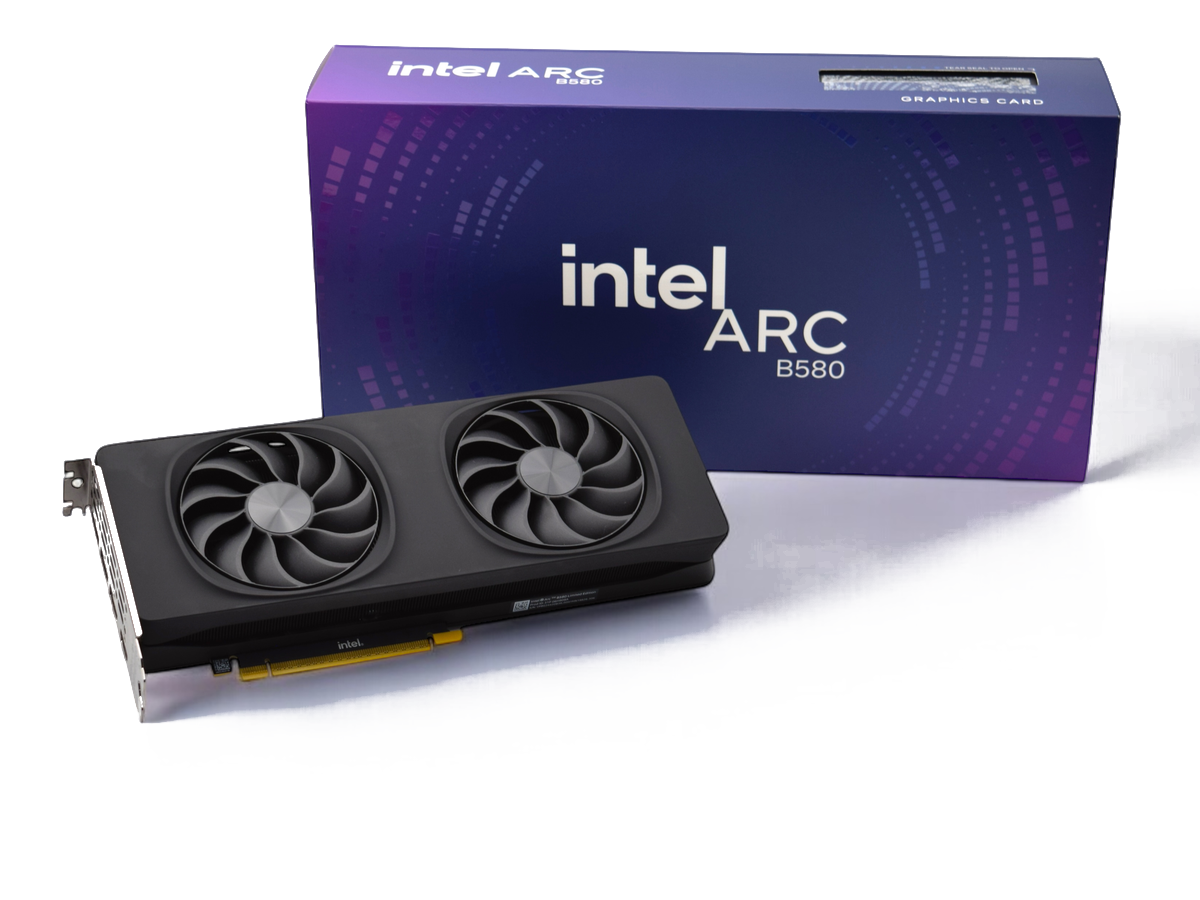
The Intel Arc B580 represents Intel's ambitious entry into the discrete GPU market. It focuses on providing solid performance for 1080p gaming, making it a decent contender for budget-conscious consumers. This card is equipped with Intel's advanced graphics architecture, meaning users can expect competitive performance in popular titles at medium to high settings.
One of the B580's strengths is its effective ray tracing capabilities, which can enhance graphical fidelity for games that support this feature. However, the tradeoff here comes in the form of a more limited driver support ecosystem compared to industry veterans like NVIDIA and AMD. This might affect overall game optimization and reliability. The Intel Arc B580 is well-suited for gamers who appreciate its innovative features and are willing to experiment with Intel's evolving ecosystem in exchange for competitive 1080p gaming performance.
AMD Radeon RX 7600
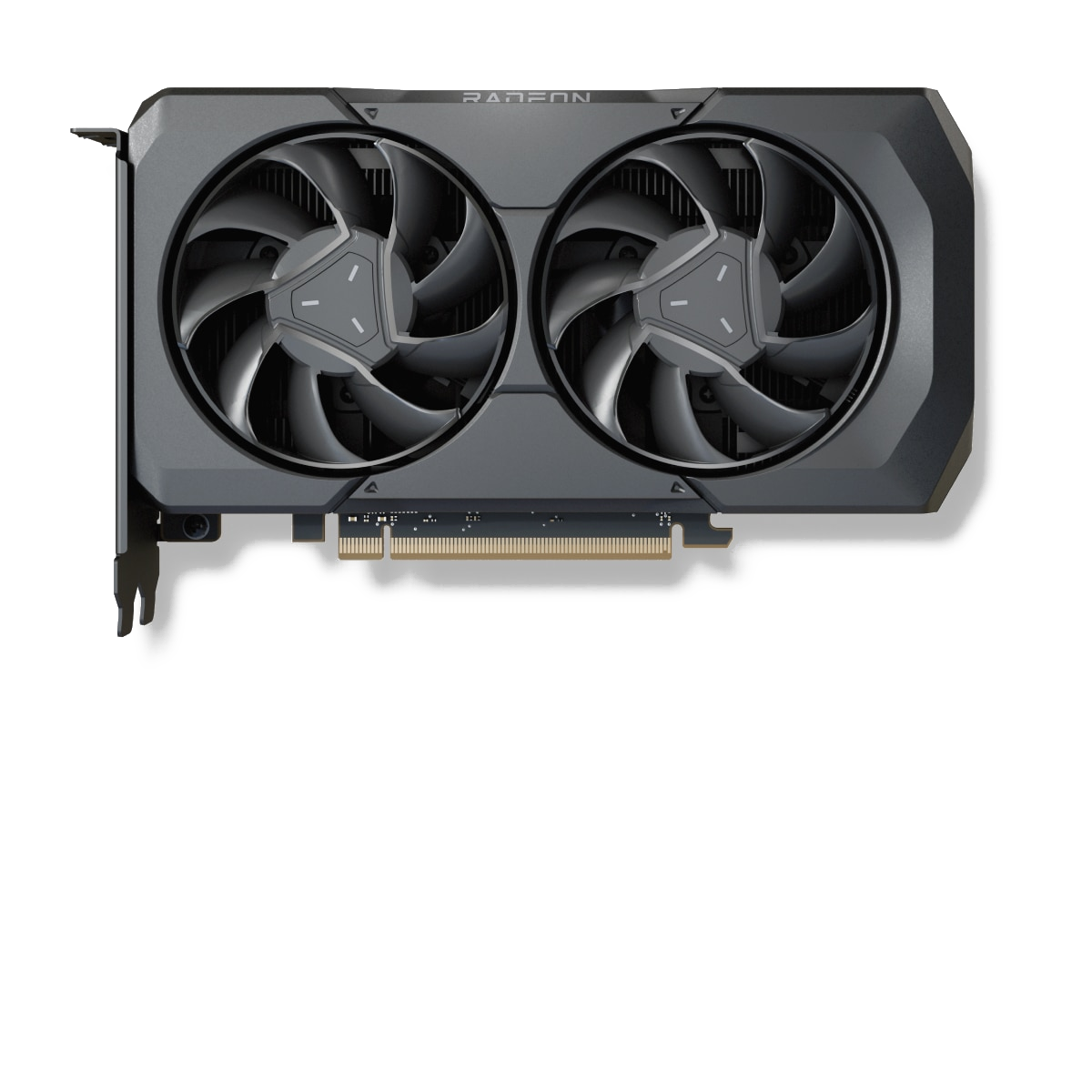
The AMD Radeon RX 7600 has garnered attention for its commendable performance in both 1080p and entry-level 1440p gaming. Built on AMD’s RDNA 3 architecture, it offers improved efficiency and performance per watt. Gamers can expect solid frame rates on the latest titles, especially as the card excels in scenarios that leverage AMD's FidelityFX technology.
One of the RX 7600's advantages is its strong performance in rasterization tasks, making it a convenient choice for those primarily interested in traditional gaming without the complexities of ray tracing. On the flip side, while it performs admirably in core gaming scenarios, its ray tracing performance may lag behind NVIDIA's offerings in this price range. The RX 7600 is ideal for gamers looking for a capable GPU with good longevity for 1080p gaming and an entry door into 1440p titles, especially if they appreciate the AMD ecosystem and its related gaming functionalities.
NVIDIA GeForce RTX 5060 Ti 16GB
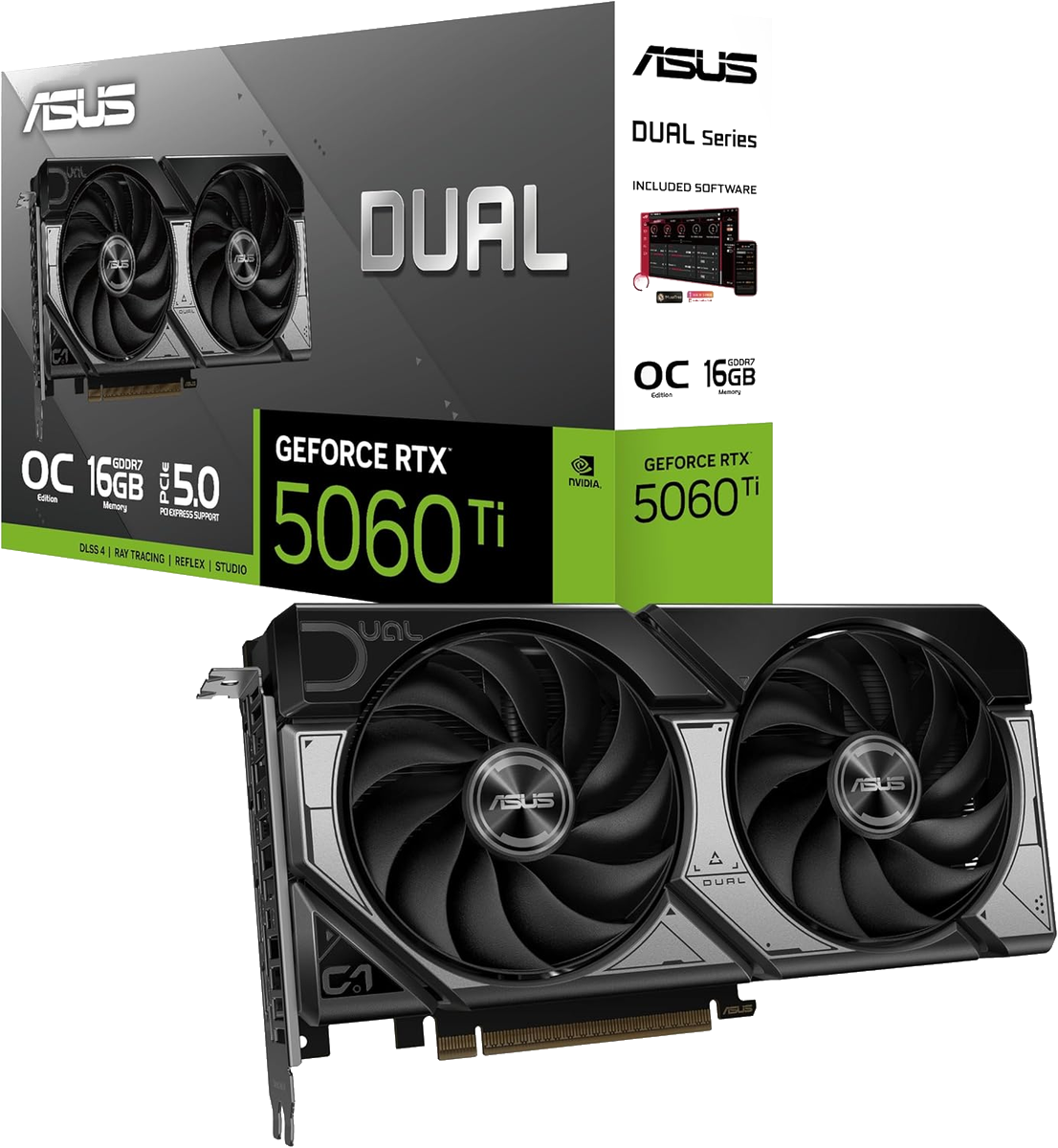
The NVIDIA GeForce RTX 5060 Ti 16GB stands out with its solid specifications, including ample VRAM that supports modern gaming needs. Designed for 1080p and light 1440p gaming, this GPU is based on NVIDIA’s Ada Lovelace architecture, which brings significant advancements in performance efficiency and ray tracing capabilities. Users can expect both solid performance and enhanced visual experiences thanks to support for DLSS (Deep Learning Super Sampling).
One noteworthy aspect of the 5060 Ti is its balance between affordability and performance, especially for gamers keen on enjoying ray tracing without facing the steep price tags of higher-tier NVIDIA cards. However, as with any budget GPU, you may find that its maximum potential can only be realized when paired with higher-end components. This card is particularly suited for gamers who prioritize ray tracing and want to remain within a budget while enjoying cutting-edge graphics technology.
How to pick
- Performance vs. Price: Determine the frames per second (FPS) you expect in your preferred games and find a GPU that meets those demands within your budget.
- Future-proofing: Consider how the card's capabilities align with emerging gaming technologies, like ray tracing, to extend its usefulness.
- Brand Ecosystem: Reflect on brand loyalty; choosing a card from a vendor with compatible software and driver support may enhance your gaming experience.