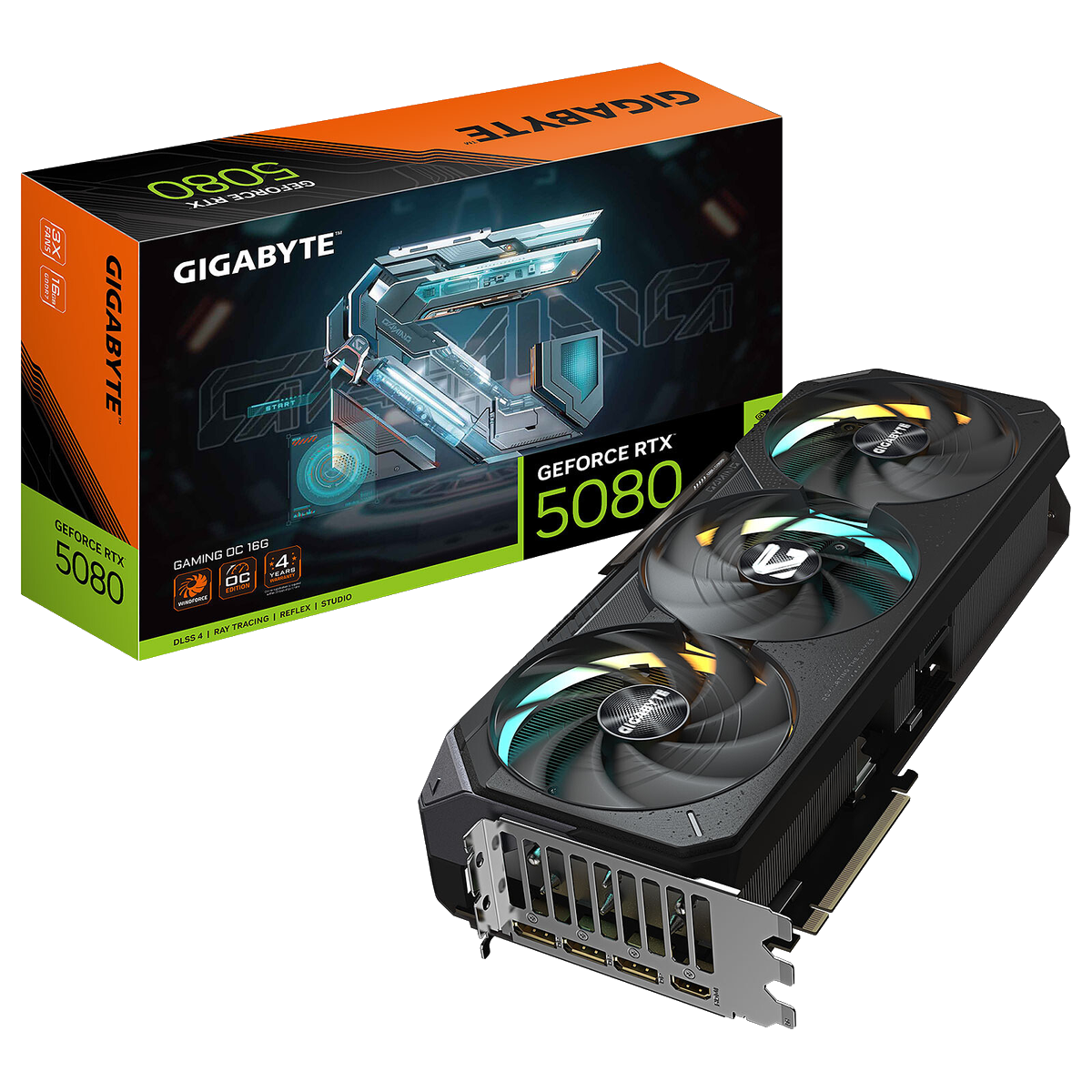
When investing in a high-end GPU, especially for 4K gaming and content creation, performance, ray tracing capability, and future-proofing are key considerations. Flagship models like NVIDIA's RTX series and AMD's Radeon RX provide the horsepower needed for demanding visual fidelity and complex workloads. However, with top-tier options comes the potential trade-off of pricing, power consumption, and compatibility with existing systems. Enthusiasts should prioritize features that align with their specific use cases, whether that involves immersive gaming, intensive rendering, or multi-tasking across applications.
NVIDIA GeForce RTX 5080
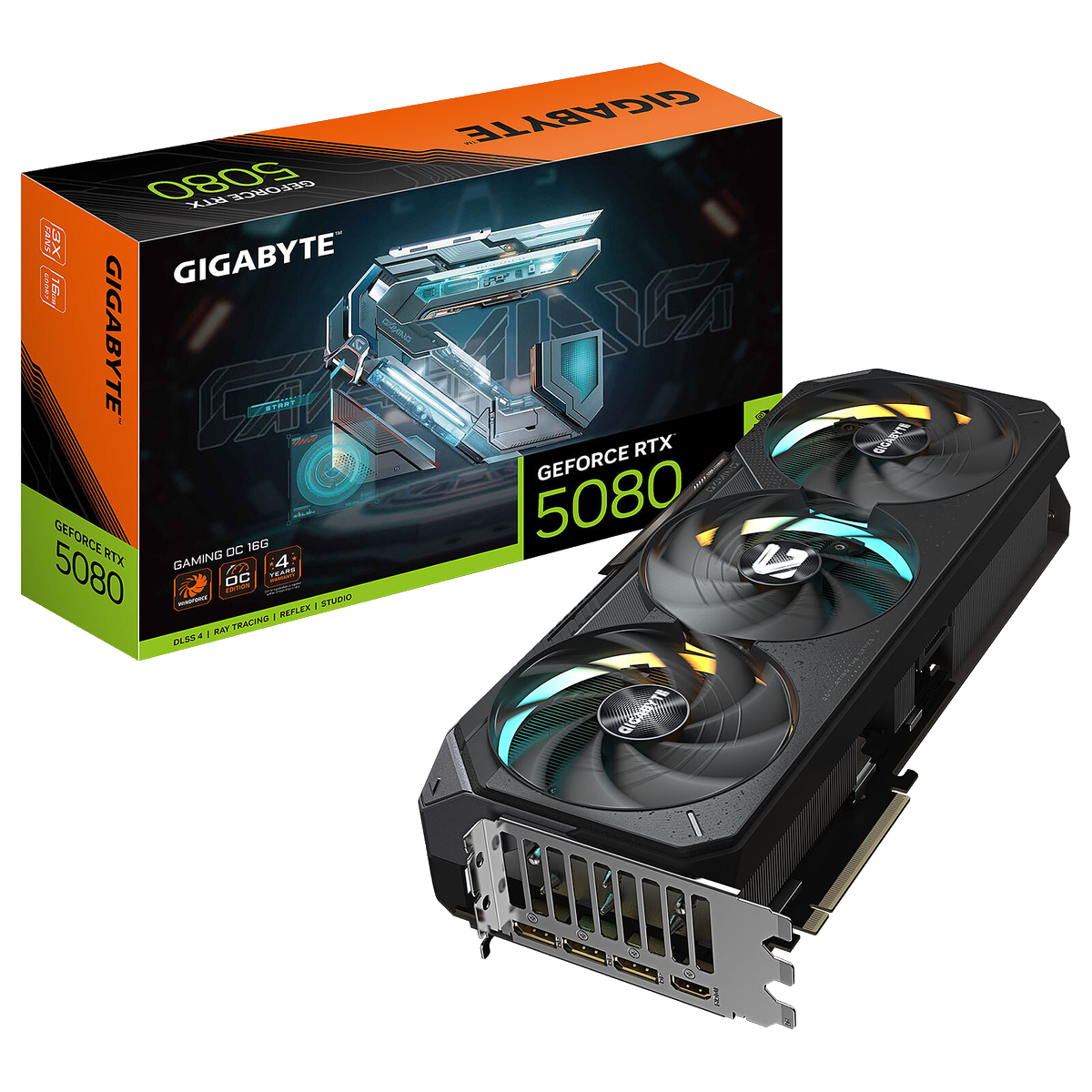
The NVIDIA GeForce RTX 5080 is aimed at high-performance gaming and content creation, featuring advanced ray tracing and AI-enhanced graphics. With a robust architecture, this GPU excels in demanding 4K settings, smoothly rendering the latest titles with visual effects turned up. Its strengths lie in the combination of excellent performance and power efficiency, making it a relevant choice for gamers and creators seeking high fidelity without excessive heat or noise.
A significant trade-off includes its price point; while it delivers exceptional performance, budget-conscious users may find it a stretch. Moreover, users may need to ensure their systems meet specific power requirements to function optimally. Overall, the RTX 5080 is well-suited for enthusiasts who want cutting-edge technology and are committed to gaming or content production.
NVIDIA GeForce RTX 5090
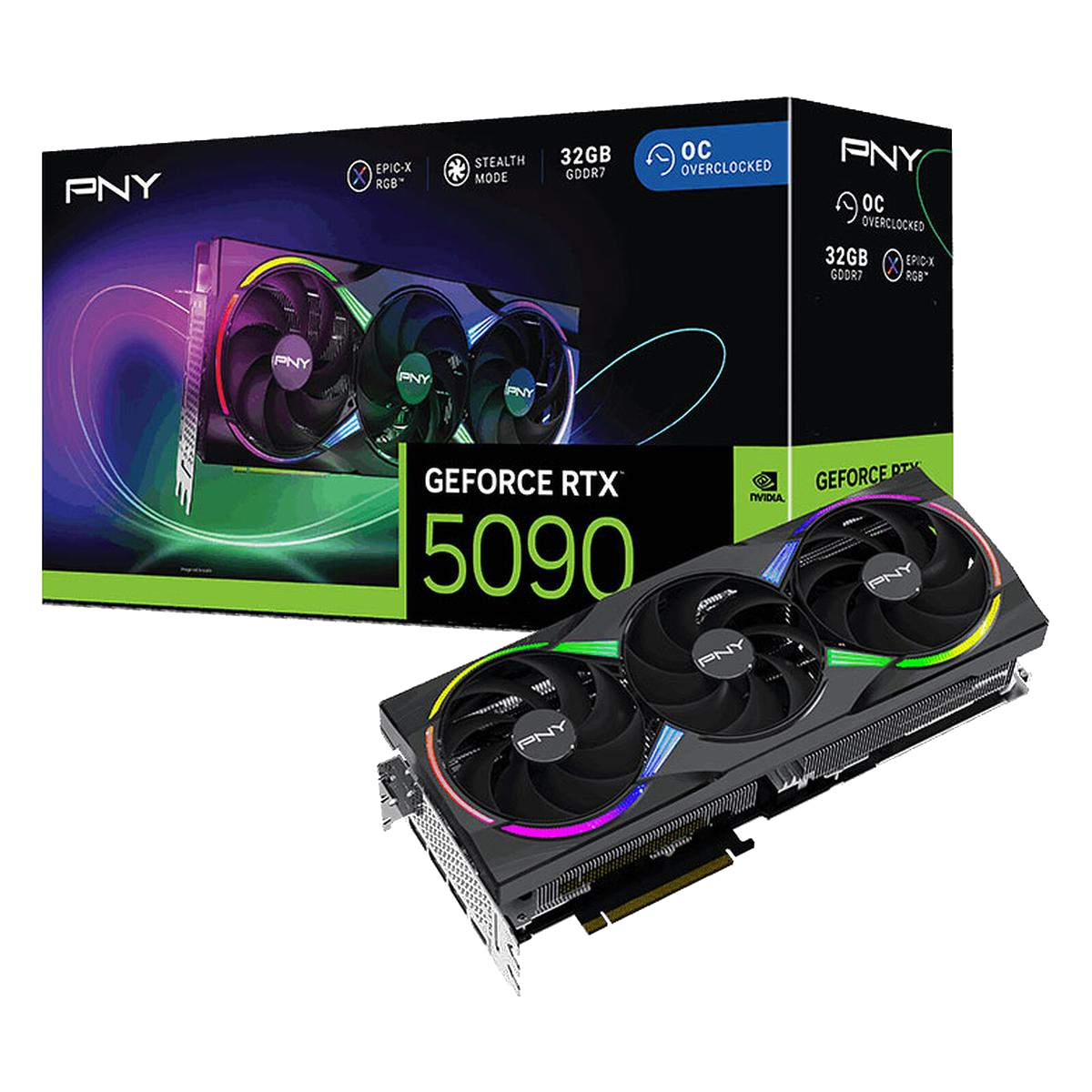
Taking the performance game up a notch is the NVIDIA GeForce RTX 5090, designed for those who want the pinnacle of graphics capabilities. With enhanced ray tracing and unmatched performance across resolutions, the RTX 5090 is tailored for 4K gaming and intensive creative tasks. This GPU leverages an improved cooling solution and higher clock speeds, allowing it to maintain top-tier performance over extended periods.
However, the RTX 5090 does come with considerations regarding its bulkier build and substantial power draw, which may necessitate an upgrade for some existing systems. Its price also places it at the top of the market, likely making it a choice for dedicated enthusiasts willing to invest in their setup. Ultimately, the RTX 5090 is for those who want the best of the best and are prepared for the associated costs and system enhancements.
AMD Radeon RX 7900 XT
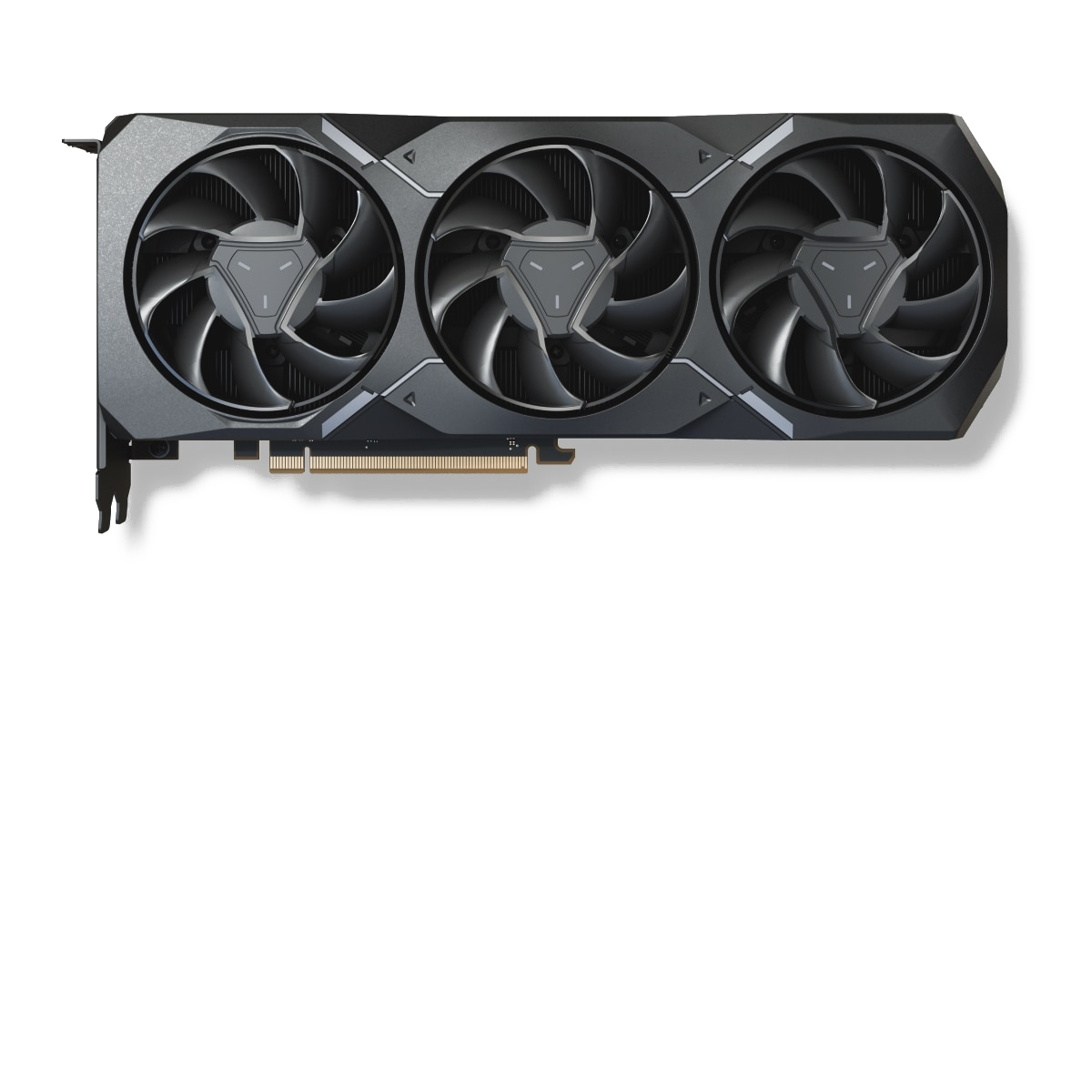
The AMD Radeon RX 7900 XT offers a compelling alternative for those seeking high-performance 4K gaming without the NVIDIA price tag. This GPU stands out with solid rasterization performance and efficient energy use, making it an excellent choice for gamers who favor traditional rendering methods without deep reliance on ray tracing. The RX 7900 XT is particularly well-suited for users who enjoy a variety of gaming genres, from competitive titles to expansive single-player experiences.
Trade-offs often include slightly lower ray tracing performance compared to its NVIDIA counterparts; while it holds its ground on most fronts, those focused on ray tracing may find it lacking in some scenarios. Additionally, driver support and ecosystem integration may not be quite as polished as NVIDIA's offerings. For gamers and content creators looking for a high-quality, performance-oriented option within a somewhat more affordable range, the RX 7900 XT stands as a strong choice.
How to pick
- Performance vs. Budget: Identify absolute performance needs while ensuring the GPU fits your budget. High-end offerings can vary significantly in price.
- Use Case: Determine whether your focus is on gaming, content creation, or both, as different models cater to specific strengths.
- System Compatibility: Check your current setup's power supply and case size to ensure compatibility with the GPU you choose.